2 hr
Downtown Pittsburgh History & Architecture Walking Tour
Small-group exploration of the city's cultural landmarks, hidden corners, and architectural treasures
Reserve
Hand-picked by our editors — 5 expertly curated Pittsburgh tours blending architecture, history, and waterfront access
Verified partners for every tour, free cancellation where available, and instant confirmation on every booking.
2 hr
Small-group exploration of the city's cultural landmarks, hidden corners, and architectural treasures
Reserve
3 hr
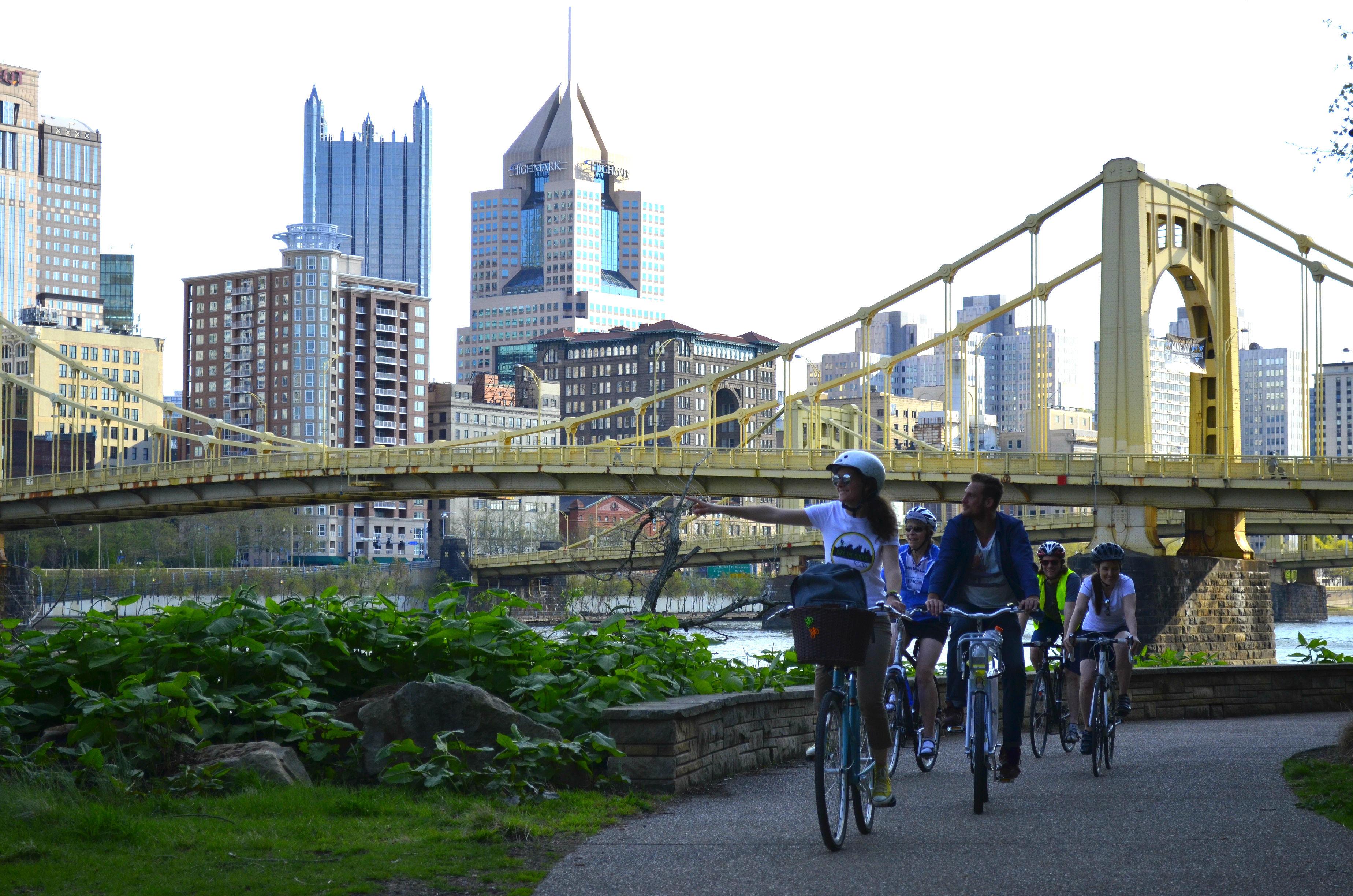
Pedal through Pittsburgh's downtown core, riverfront trails, and historic districts on this guided ride
Reserve
2 hr
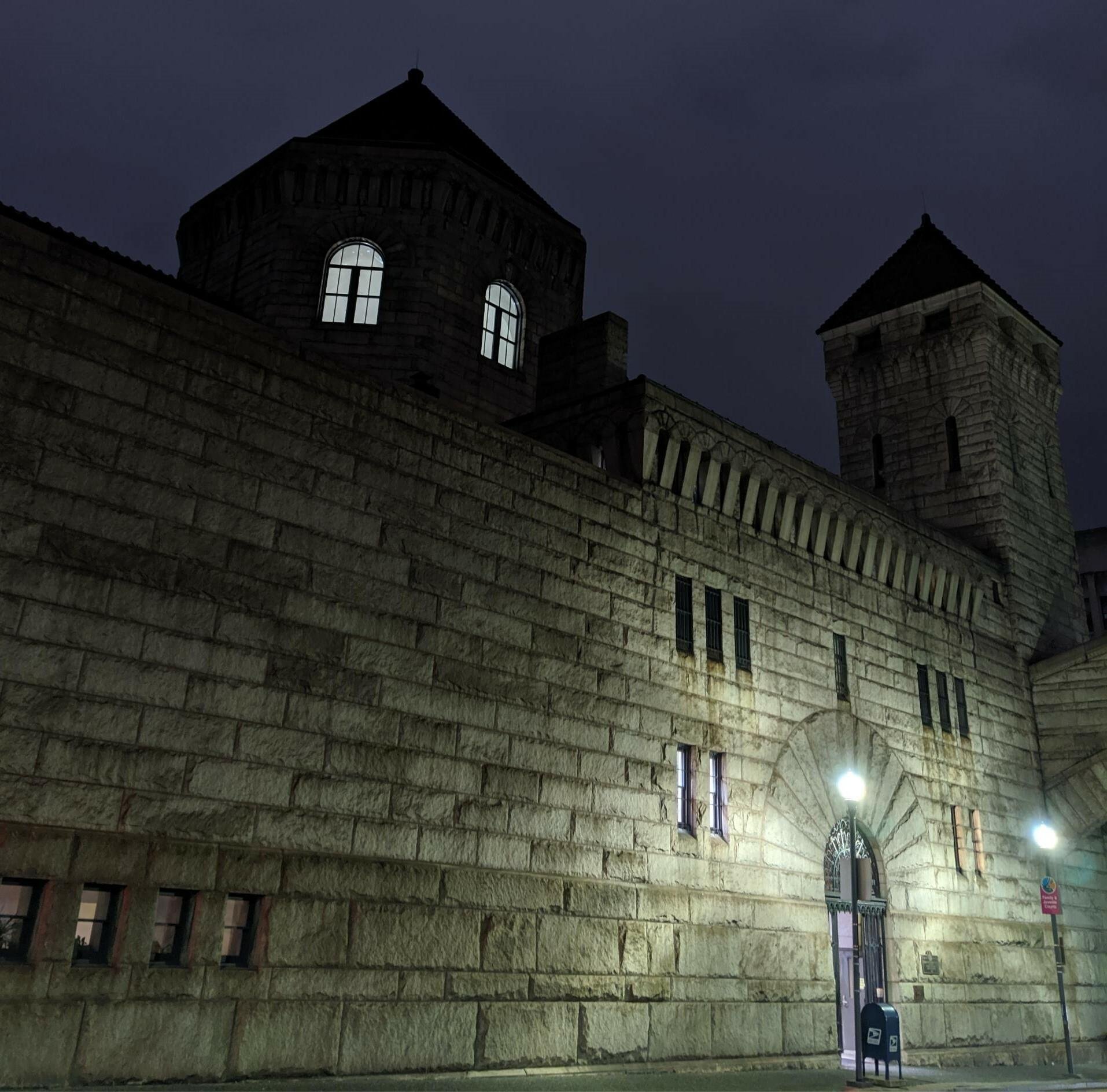
Explore downtown's haunted heritage as darkness falls—historic landmarks meet spine-tingling tales.
ReservePrices from verified partners. Availability updates in real time at checkout. Free cancellation policies apply where shown.
The landmarks, rooms, and views travelers on this tour remember — all visible on a single visit.
This was the historic departure point for the duck boat tour pittsburgh, now serving other transit needs.
They complement each other; most visitors who do both call the riverboat experience the more relaxing way to see city landmarks, while the former offered a unique land-to-water transition.
| Feature | Top pick Duck Boat Tour | Gateway Clipper Fleet |
|---|---|---|
Vessel Type |
Amphibious Vehicle | Riverboat |
Sightseeing Range |
City streets and rivers | Three Rivers confluence |
Operational Status |
Permanently closed | Open year-round |
Typical Duration |
1 hour | 1–3 hours |
Ticket Price |
0 USD | From 34 USD |
Best Season |
N/A | Spring to Autumn |
| See tickets → |
Verdict: Since you cannot book a duck boat tour pittsburgh today, the Gateway Clipper riverboat tour is the primary alternative for experiencing the Steel City from the water.
Choose your ticket, select your date, and reserve in under two minutes. Secure checkout handled by our verified partner.
Instant confirmation by email, with a mobile voucher you can save offline. No printing, no queuing at a collection desk.
Arrive at the entrance, show your voucher on your phone, and walk in. Most tickets include priority or skip-the-line access.
Practical details for your visit straight from our verified partners — hours, access, rules, and how to get there.
Not applicable as the duck boat tour pittsburgh has ceased all operations. No specific attire is required for this closed venue.
Security protocols are no longer in effect for this duck boat tour pittsburgh location. The site is permanently closed to the public.
Photography of the site is permitted from public areas, but there is no longer an active duck boat tour pittsburgh experience to capture.
The attraction is permanently closed, meaning no accessibility services are provided. Guests should plan for other activities in the Three Rivers area instead of a duck boat tour pittsburgh.
Families looking for a duck boat tour pittsburgh will need to explore alternative water-based activities. No family programming is available at this closed site.
No food or drink services are provided as the duck boat tour pittsburgh is permanently closed. Please consult local guides for dining options near the Three Rivers.
Best time to go, insider tips, nearby landmarks, and the cancellation fine print — flip through to skim what matters to you.
Flexible, no hidden fees.
As this attraction is permanently closed, no duck boat tour pittsburgh tickets are available for purchase. No fees apply as there is a 0 USD entrance fee.
No amphibious vehicle has operated commercial tours in Pittsburgh since Just Ducky Tours ceased operations in 2016 after more than two decades navigating the Allegheny, Monongahela, and Ohio rivers. The fleet of six DUKW vessels — World War II-era landing craft repurposed for civilian sightseeing — once carried 100,000 passengers annually through a route that began on pavement near Station Square, descended a boat ramp, and motored past the Point, the stadiums, and the North Shore before returning to dry land. The concept borrowed from similar operations in Boston, Seattle, and Philadelphia, cities where post-war surplus vehicles found a second life in tourism. Pittsburgh's geography made it a natural fit: three rivers converging at the Golden Triangle, bridges stacked in every sightline, and a topography that forced infrastructure into dramatic vertical arrangements. The absence of duck boat tours has not erased demand for hybrid land-water perspectives. River cruises departing from the North Shore and Station Square offer seasonal access to the confluence, passing beneath the Fort Pitt and Fort Duquesne bridges while recorded narration covers steel-era history and modern redevelopment. Walking tours through Downtown Pittsburgh trace the Whiskey Rebellion, Prohibition-era speakeasies, and the architectural legacy of H.H. Richardson and the Allegheny County Courthouse. Bike routes along the riverfronts connect the Strip District, the Cultural District, and the South Side, covering ground that duck boats once traversed at lower speed. These alternatives segment what the amphibious format combined: mobility across two environments without transition. Pittsburgh's riverfront identity persists in the infrastructure that duck boat tour pittsburgh operations once showcased. The Point State Park fountain, visible from water and land, marks the geographic and symbolic center. The inclines ascending Mount Washington offer elevated vantage points that no water-level tour could match. The Roberto Clemente and Andy Warhol bridges carry pedestrian traffic across the Allegheny, framing views that shift with the light and the season. The Fort Pitt Blockhouse, a 1764 stone redoubt tucked into the confluence, remains Pittsburgh's oldest authenticated structure, a fixed landmark in a city that rebuilt itself multiple times. These elements compose the same visual inventory that guided amphibious routes, now accessible through separate modes rather than a single vehicle. The Three Rivers Heritage Trail, a 24-mile paved loop linking both banks and all three waterways, delivers continuous river proximity without requiring watercraft. Sections pass former industrial sites now converted to parks, marinas, and mixed-use development. The trail system connects to the Great Allegheny Passage, a 150-mile rail-trail extending to Cumberland, Maryland, positioning Pittsburgh as a hub for long-distance cycling and pedestrian tourism. Water taxis and charter boats operate seasonally, offering private and scheduled crossings that serve both transportation and sightseeing functions. The infrastructure remains; the amphibious synthesis does not.
"Three rivers converging at the Golden Triangle, bridges stacked in every sightline, and a topography that forced infrastructure into dramatic vertical arrangements."
A step-by-step walkthrough of the visit — what you'll see, how long each stage takes, and the details that matter.
You begin at Station Square, where the former duck boat ramp once met the Monongahela. Today you board a Gateway Clipper or a smaller charter vessel, crossing open water toward the Point. The confluence spreads wide ahead, the Allegheny and Monongahela merging into the Ohio beneath the yellow arches of the Fort Pitt Bridge. You pass Heinz Field and PNC Park on the North Shore, the stadiums aligned with the river like pavilions on a promenade. The fountain at Point State Park throws a plume 150 feet into the air, visible from every approach. Back on land, you walk the Cultural District, passing the Benedum Center and Heinz Hall, then cut through Market Square toward the Allegheny County Courthouse. The Romanesque façade rises in rusticated stone, H.H. Richardson's 1888 design still anchoring Grant Street. You climb the Duquesne or Monongahela Incline, the cable car ascending at a 30-degree grade, and step onto the Mount Washington overlook. The city spreads below in a grid interrupted by rivers, bridges counted in double digits, the skyline compressed by distance into a single frame. You descend and trace the Heritage Trail south, the path following the Monongahela past barges and pleasure craft, the water brown-green and quick with current. The route that duck boats once traveled now requires multiple vehicles, multiple admissions, and separate schedules, but the river remains the organizing line.
No, the duck boat tour pittsburgh is permanently closed.
There are no duck boat tour pittsburgh tickets available as the company ceased operations in 2019.
The duck boat tour pittsburgh closed due to insurance premium increases following industry-wide safety concerns.
Yes, travelers can explore the Three Rivers via the Gateway Clipper Fleet or other river-based sightseeing excursions.
Yes, the former site in Station Square is accessible, though the duck boat tour pittsburgh no longer departs from there.
The entrance fee is 0 USD because the duck boat tour pittsburgh no longer exists.
The attraction is permanently closed, so it no longer hosts family visitors.
Yes, historical records and images of the duck boat tour pittsburgh remain available in public archives.
The former duck boat tour pittsburgh fleet was sold via public auction in 2019.